

Share
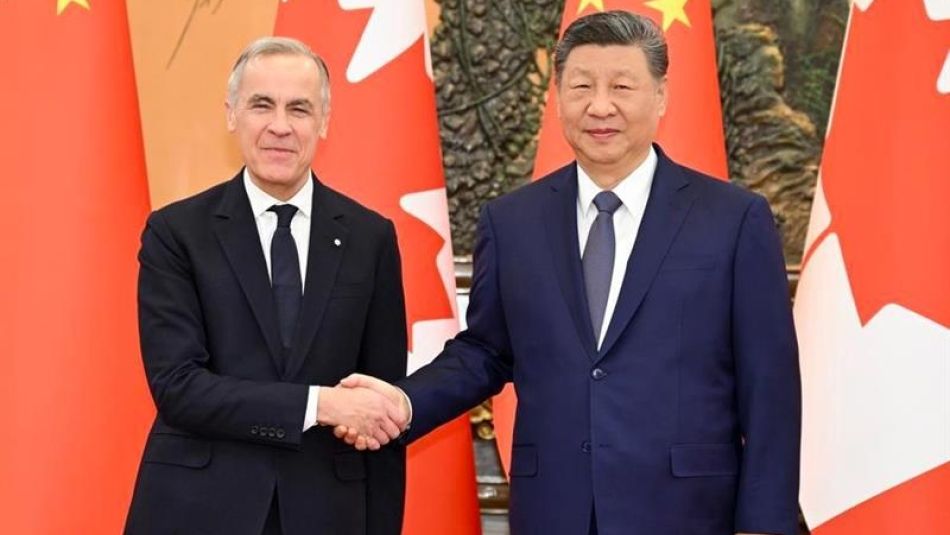
TORONTO–The Canadian government’s decision to open the door to China-owned EV imports poses extreme risk to Canadian auto jobs and the future of our entire auto sector.
“This is a self-inflicted wound to an already injured Canadian auto industry,” said Unifor National President Lana Payne. “Providing a foothold to cheap Chinese EVs, backed by massive state subsidies, overproduction and designed to expand market share through exports, puts Canadian auto jobs at risk while rewarding labour violations and unfair trade practices.”
Unifor has long warned about the risks of letting Chinese EVs flood the North American market. If left unchecked, it would cost Canadian jobs, stall domestic investment, and drive more imports from low-cost jurisdictions. With virtually no Canadian content in Chinese vehicles, our independent auto parts supply chain would also be hard hit.
It has already been seen that once access is granted, Chinese automakers quickly grab market share, as in the EU, Brazil, and other countries. Lifting the surtax risks turning Canada into a dumping ground for China-owned companies at the expense of our domestic auto industry and the Canadian workers who rely on it.
This Chinese tariff deal comes at a time when Canada’s auto sector is already in crisis, hit by U.S. tariffs on Canadian vehicles and rollbacks to U.S. EV policies. More than one-third of Unifor members at Detroit Three facilities are currently laid off, with several plants sitting idle.
Unifor maintains this shift in the auto import landscape is a dangerous move that weakens Canada’s ability to protect Canadian auto jobs during the imminent CUSMA review.
Additionally, the removal of tariffs on Canadian seafood offers temporary relief for workers in the fisheries sector, but it is not guaranteed beyond the end of the year leaving Canada vulnerable to future demands from China to protect these jobs.
“Finding a resolution to U.S. auto tariffs just got more difficult as Canada has surrendered the leverage of opening our market to China,” said Payne. “And, in exchange, the reprieve on seafood tariffs that Canada received is only temporary, covering a single fishing season.”
Unifor is Canada’s largest union in the private sector, representing 320,000 workers in every major area of the economy. The union advocates for all working people and their rights, fights for equality and social justice in Canada and abroad, and strives to create progressive change for a better future.
For media inquiries or to arrange interviews please contact Unifor Communications Director Kathleen O’Keefe at @email or by cell at (416) 896-3303.