
Share
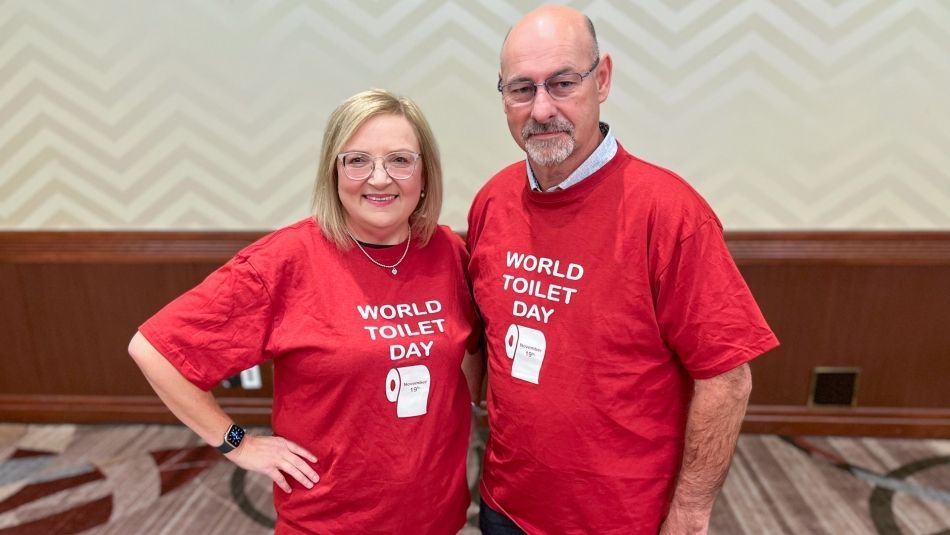
For most people, finding a washroom at work is something they never think about. For many workers, it shapes the whole day. It decides how much they drink, when they can step away and whether the facilities are safe to use at all. On World Toilet Day, November 19, Unifor is calling for a clean, safe washroom for every worker.
The United Nations has dedicated this year’s World Toilet Day to sanitation and gender equality, under the banner “Safe toilets. Equal futures.”
Around the world, 3.4 billion people still live without safely managed sanitation and women and girls carry the heaviest share of the risk: disease, harassment and lost days at school and at work.
This is not only a crisis somewhere else. In Canada, too many workers still have their day shaped by whether they can reach a clean, safe washroom.
Truck drivers, couriers, taxi and delivery drivers are turned away at the doors of the businesses they serve. Transit operators run schedules so tight there is no time between trips to use facilities. Warehouse workers line up for too few toilets, and workers on remote sites often have nothing decent within reach. People ration water and hold on for hours, and their health pays the price.
For women, the barriers are higher.
A worksite without a private, clean, lockable washroom and available menstrual products sends a clear message that women were never expected to be there. It pushes women out of the trades, transportation and other good jobs where they are already underrepresented.
For 2SLGBTQI+ workers facing rising harassment, the washroom can be the least safe room in the building. For workers with disabilities, an inaccessible washroom means no washroom.
Unifor members are changing this at the bargaining table. Safe washrooms and supportive spaces are part of our new 2026 to 2029 bargaining program, Protect Canadian Jobs, adopted at Canadian Council this summer.
Members at Waste Management in London, Ontario, negotiated a designated washroom for women. In Metro Vancouver this year, transit operators took job action to win enforceable running and recovery time, because a schedule with no slack leaves no time for a washroom break.
But workers should not have to win something this basic one contract at a time. Employers must provide clean, private and accessible washrooms, stocked with menstrual products, and the time to use them.
Governments must set clear standards and enforce them. Federally regulated workplaces have been required to provide free menstrual products since December 2023, and every province and territory should match that standard. Provinces should guarantee drivers and delivery workers washroom access at the businesses they serve and invest in public washrooms along highways and transit routes.
The same commitment has to hold on the world stage. In December, governments meet in Abu Dhabi for the 2026 UN Water Conference. Canada should arrive with real commitments to gender-responsive sanitation, and to the sanitation workers, many in informal jobs with no protections at all, who keep these systems running.
Through the Unifor Social Justice Fund, our members have already backed water and sanitation projects in communities that need them most.
Locals can make washroom access part of bargaining and part of every health and safety inspection. And if you’re a member who has been denied access, or the washrooms at work aren’t safe, tell your union. We’ve got your back.
Safe toilets mean equal futures and that work starts on the job.