
Share
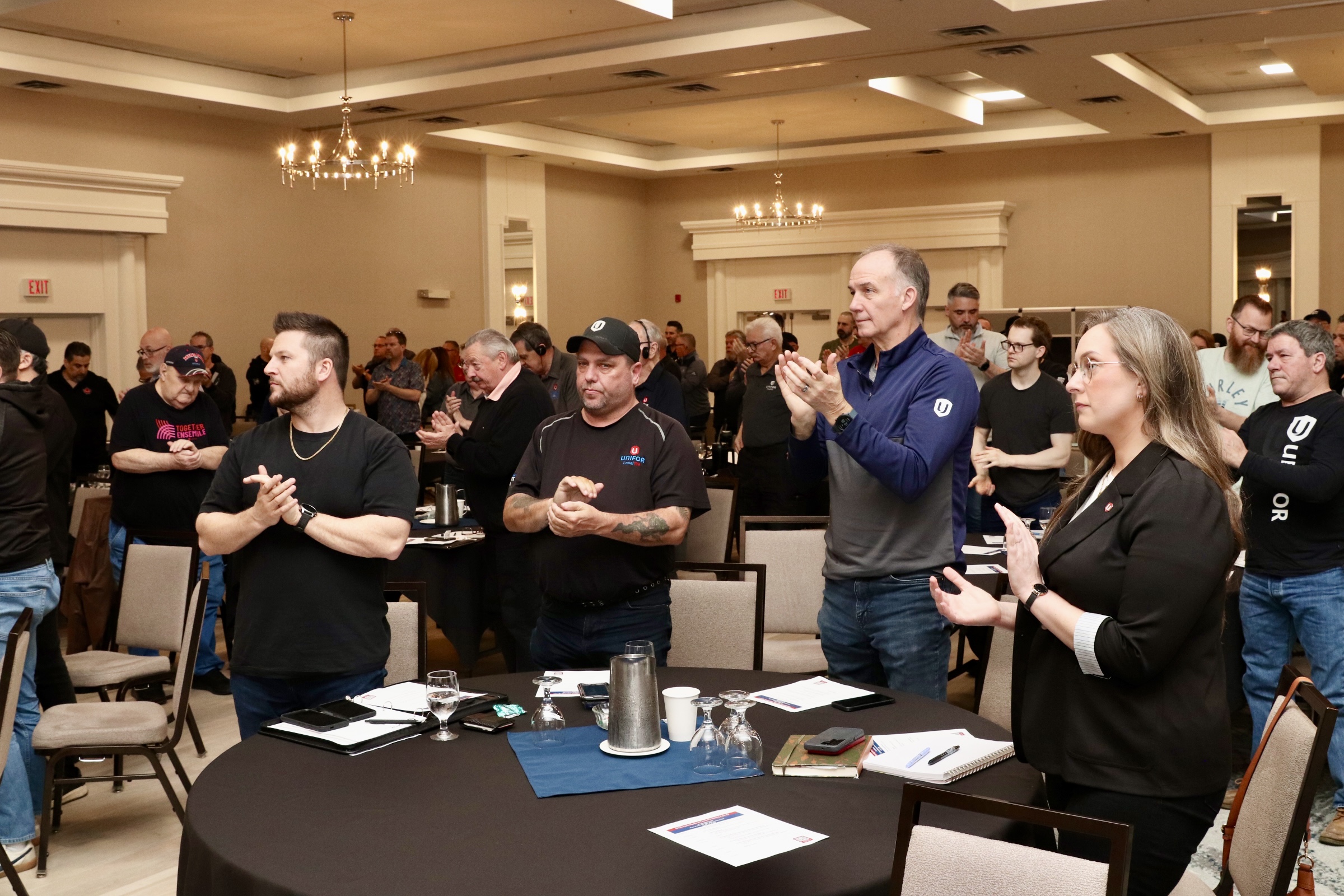
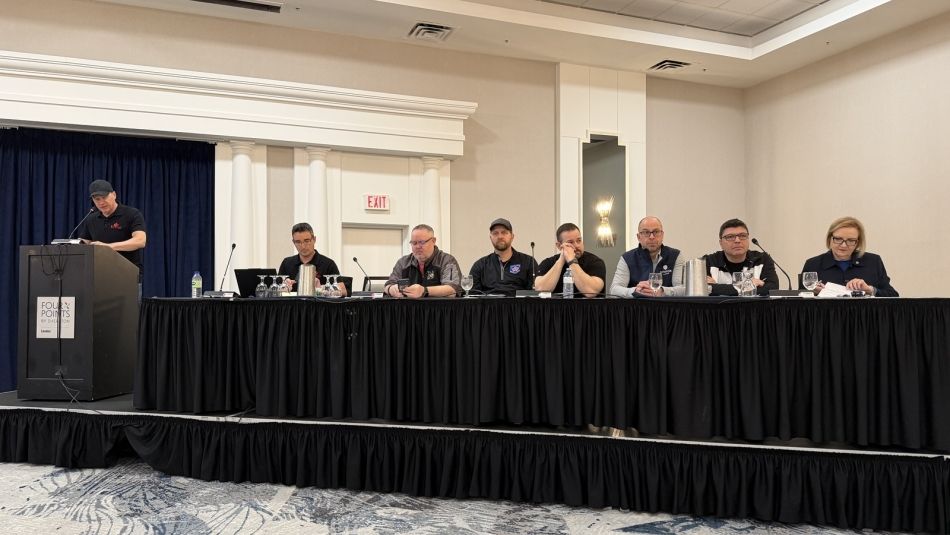
The Unifor Auto Council came together to chart a strong path forward for the 2026 Detroit Three negotiations, bringing union leaders, bargaining committee members, and retired worker representatives together to discuss priorities, the fight to defend jobs, and the global pressures impacting Canada’s auto industry.
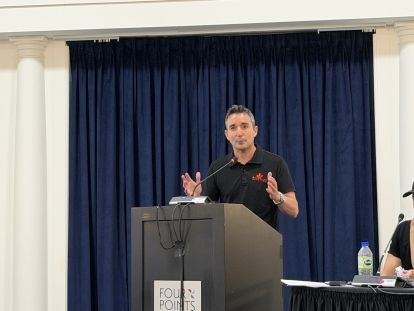
At the April 14 meeting in London, Ontario, council members heard from Unifor National President Lana Payne, Auto Council Chairperson John D’Agnolo, alongside presentations from the union’s research and pensions departments, as they assessed the state of the sector and the challenges ahead.
At the centre of discussions: jobs, investment, and the future of Canada’s auto industry.
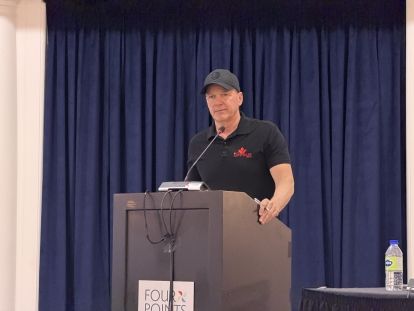
D’Agnolo delivered a direct message about what’s at stake in a negotiation year with Detroit Three agreements set to expire this fall. He stressed the importance of preventing further jobs loss and pursuing new product mandates.
“All the things that we bargain mean nothing without investment,” said D’Agnolo. “Everything else means nothing if we don’t have work.”
Payne spoke of the challenges faced by workers and the industry, from U.S. tariffs and geopolitical conflict to the growing dominance of China’s auto sector.
“All of this makes for what will be the most consequential round of Detroit Three auto negotiations in our lifetimes.”
She warned that one year into U.S. President Donald Trump’s tariffs, the union’s predictions have proven accurate.
“Trump wasn’t bluffing. He was coming for our jobs. Investment would be impacted. Companies would respond in ways that would be detrimental to our members.”
Billions of dollars diverted to tariffs, Payne said, are dollars not being invested in Canadian plants, products, or workers.
She also cautioned that the current trade framework is not only harming Canadian workers, but also cutting jobs at U.S. factories and undermining the Detroit Three themselves while giving an advantage to foreign importers.
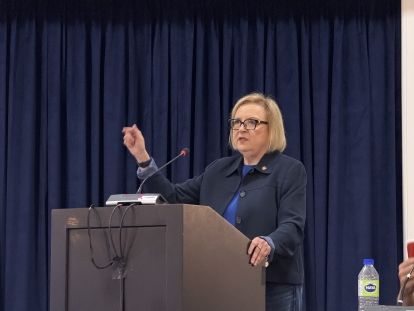
Payne pointed to the rapid expansion of Chinese automakers as a new and urgent challenge, warning against models that bring minimal economic benefit to Canada.
Citing companies like BYD, Chery and Geely expanding globally, Payne warned that their ‘knockdown kit’ reassembly model, with limited local employment, poses a direct threat to domestic jobs and supply chains.
“That is not building cars. It is not manufacturing. And it does nothing to live up to the commitment made to our members,” she said, referencing reports of Stellantis plans to import knockdown kits for reassembly in Brampton and re-stating Unifor’s rejection of this plan.
Structure for upcoming negotiations, including the roles of bargaining committees and the broader economic context shaping talks were outlined.
Key pressures facing the sector were highlighted including tariffs, China’s expansion, stalled EV investments, declining profits, and policy gaps, among others, and how they influence the union’s core bargaining priorities such as job security, pensions, wages, and income protection.
Payne emphasized that resolving U.S. tariffs remains critical to any long-term stability in the sector.
“There’s only one way through this that will work for our union… and that’s finding a resolution to U.S. tariffs.”
At the same time, she underscored the union’s push for stronger industrial policy, including its “Sell Here, Build Here” demand tying market access to domestic production and jobs.
As Payne told delegates, the union’s response will be rooted in solidarity and action.
“We keep fighting. We keep pushing back. We keep defending auto jobs and the industry… and we are going to do it together.”