

Share
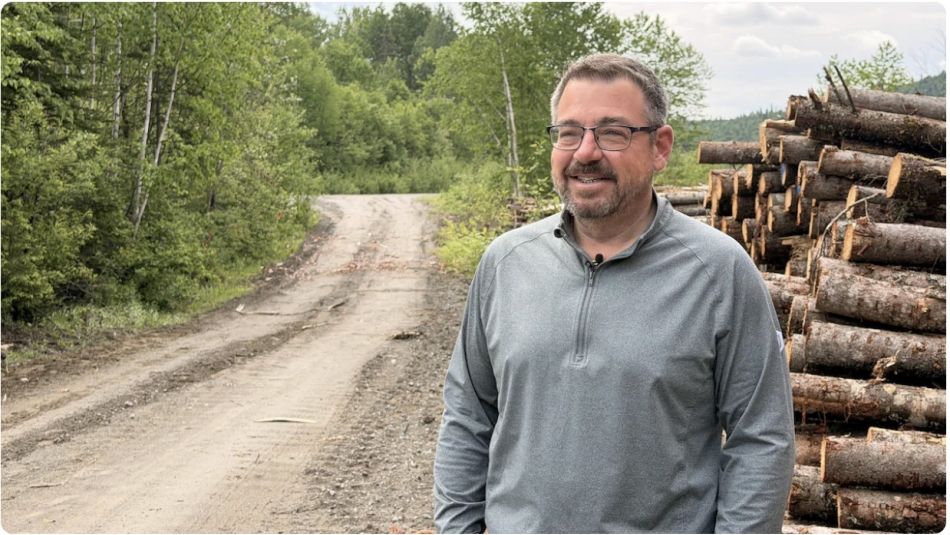
An unprecedented coalition bringing together First Nations, unions and environmental, tourism and wildlife organizations is seeking to lay the foundations for a unifying project that will ensure the future of Quebec’s forests. This initiative, presented in an open letter published in La Presse, focuses on concertation as a means of building a more resilient forestry sector that creates good jobs, respects the rights of First Nations and is committed to protecting the environment. Unifor’s Quebec director Daniel Cloutier, one of the letter’s signatories, also delivered this message during a news report by Radio-Canada.
This project is the direct outcome of the consultation process launched by Unifor in 2024 with the creation of an inter-union council and the organization of the Union Forestry Summit in Chicoutimi in May 2025. This event, which brought together more than 200 participants from forestry unions, First Nations and civil society organizations in an inclusive forum for dialogue, was organized in response to the lack of transparency surrounding the CAQ’s forestry reform. Following the government’s withdrawal of this unpopular reform, Unifor continued its discussions, notably with the Assembly of First Nations of Quebec and Labrador (AFNQL) and Nature Québec, to chart the course for a new and better reform.
It is rare to see First Nations, unions, environmental organizations, forestry contractors and organizations representing the wildlife, tourism and outdoor recreation sectors speak with one voice on forestry issues. By publicly announcing this collaboration, these stakeholders hope to demonstrate that it is possible to move forward together, despite widely differing views and, at times, conflicting interests.
“We still have work to do to increase the participation of the big forestry companies, some of which have so far been reluctant to engage in this sort of initiative, preferring to take advantage of their privileged access to government. That said, we are sensing a growing openness on their part, and our approach is to extend a hand, provided certain basic principles are respected,” said Daniel Cloutier, Unifor’s Quebec director. The signatories of the letter presented five key recommendations, as well as calling for the creation of a standing committee bringing together all stakeholders in the forestry sector.
Achieve genuine reconciliation with First Nations by establishing a Quebec–First Nations consultative body, with a mandate to jointly develop a forestry regime aimed at ensuring the preservation of the quality of ancestral territories, among other things.
Adopt an industrial strategy aimed at strengthening the wood industry while ensuring a just transition for workers.
Launch a structured review of forestry governance with a view to promoting the implementation of a truly integrated, effective and regionalized forest management system within a framework acceptable to First Nations.
Implement the government’s commitments related to biodiversity conservation, particularly with regard to the network of representative protected areas, woodland and mountain caribou, and adaptation to climate change.
Develop multi-resource management plans for all areas with a recognized legal designation, such as regional parks, ZECs and outfitting operations.
Among these key recommendations, Unifor intends to focus closely on the implementation of an ambitious industrial policy for the forestry sector, centred on greater use of timber products and more diversified processing of this renewable resource. We will also support the establishment of a regionalized governance framework that is better suited to resolving conflicts over forest use, while giving adequate consideration to operational realities and the profitability of our employers’ activities.
According to Daniel Cloutier, “This is the same vision that Unifor has been championing for several years: a more innovative forestry industry that focuses on value-added processing, supports good jobs and contributes to the sustainable development of forestry communities. We still have a lot of work to do, but this initiative marks the start of the revival of a system by and for us.”