

Share
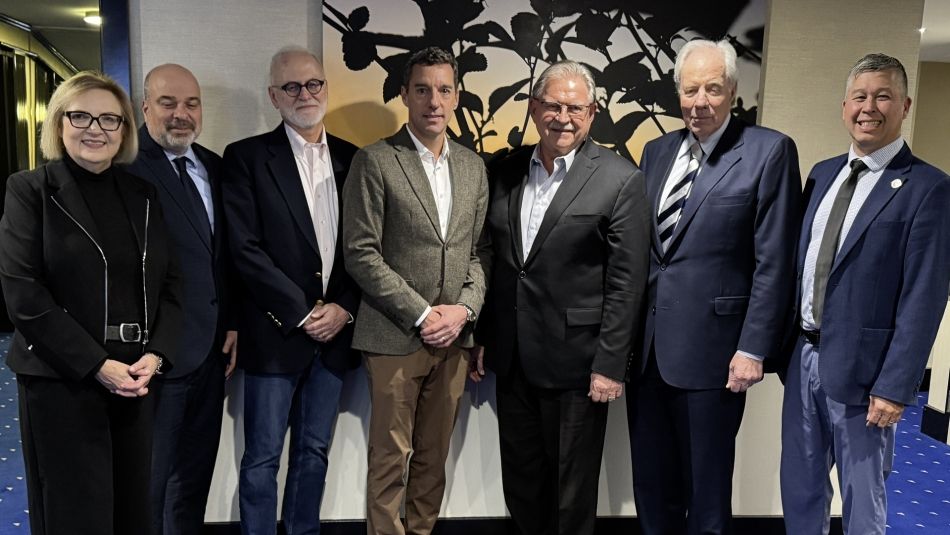
Unifor National President Lana Payne brought the concerns of Unifor forestry sector members to the inaugural meeting of the federal government’s new Canadian Forest Sector Transformation Task Force, held January 19 in Vancouver.
“We welcome the opportunity to help shape the government’s next moves in the forestry sector,” said Payne. “We will ensure workers’ voices are front and centre in this dialogue.”
The Task Force, which includes corporate representatives from several Unifor employers, the Canadian Lumber Trade Alliance, and the BC First Nations Forestry Council, is mandated to chart options for restructuring, modernizing, and transforming Canada’s forest sector.
Over the next 90 days the Task Force will gather input from forestry groups, after which it will provide recommendations in its report to the federal Minister of Energy and Natural Resources Tim Hodgson.
Unifor is a key union in Canada’s forestry sector, uniting more than 24,000 members in every region. Unifor’s members work in a variety of forestry, logging and firefighting occupations as well as wood product, bioenergy and pulp and paper manufacturing facilities.
Despite its historic and modern role as a natural resource powerhouse, the sector has faced contraction in recent years and severe job loss. Even before the Trump trade war, a turbulent tariff climate in softwood lumber has taken a toll on forestry workers and their communities.
The union’s Fight for Forestry Jobs campaign is a vocal call to invest in a sector that can be a sustainable part of Canada’s economic future.
Unifor has been calling a comprehensive industrial strategy that seeks to expand the use of Canadian forestry products both at home and abroad. For communities in transition, the union has advocated for robust supports for workers and investment in sustainable infrastructure for the future.
“Canada can have a bright, sustainable future in forestry if governments and all stakeholders work together to prioritize good jobs, forestry communities, and reconciliation,” said Payne.