
Share
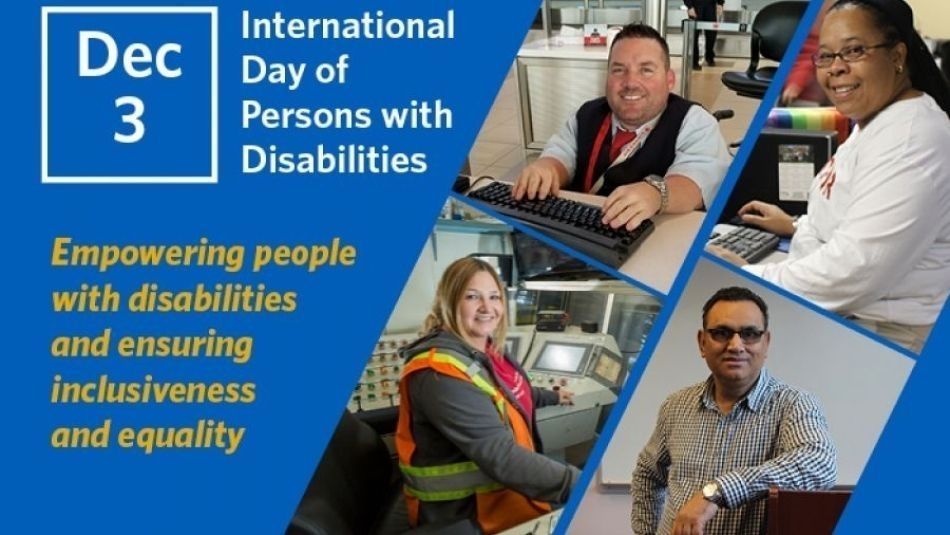
December 3 is the International Day of Persons with Disabilities, and this year it arrives with a milestone. On December 13, 2006, the United Nations General Assembly adopted the Convention on the Rights of Persons with Disabilities (CRPD). Twenty years later, the UN’s theme for the day, “The CRPD at 20: Building on Progress, Advancing the Future,” asks all of us to take stock of what two decades have delivered and what remains undone.
The Convention changed the terms of the conversation. It established in international law that disability is a matter of human rights, and that persons with disabilities are entitled to full and equal participation in every part of society. Persons with disabilities organized for it and helped shape it, guided by a principle that still holds: nothing about us without us. Canada ratified the Convention in 2010.
Union members know something about rights on paper. A collective agreement is only as strong as its enforcement, and the same is true of a human rights treaty. Article 27 of the Convention recognizes the right of persons with disabilities to work on an equal basis with others, to reasonable accommodation in the workplace, and to exercise their labour and trade union rights. In Canada, that promise is still unevenly kept. Statistics Canada’s 2022 Canadian Survey on Disability found that 62% of working-age adults with disabilities were employed, compared with 78% of those without disabilities.
Behind that gap are barriers that workers with disabilities know well: inaccessible worksites and technology, accommodation requests that are delayed or denied, information that is not offered in formats people can use, and assumptions about what a person can do. These barriers were built. They can be removed.
Removing them is union work. We negotiate accommodation and accessibility language, and we enforce it. We represent members through the accommodation process. We also have a responsibility to look at our own union: who is in the room, who is at the microphone and who is making decisions. Every advance in disability rights has been led by persons with disabilities. In Unifor, that means members with disabilities setting priorities at the local, regional and national levels.
That work starts with voice. A Workers with disAbilities Committee gives members with disabilities a standing place in the local to identify barriers and shape bargaining and organizing priorities. Unifor’s guide, 10 Steps to Creating and Supporting a Workers with disAbilities Committee, helps locals establish a committee and keep it active.
It continues with how we gather. A meeting that a member cannot get into, follow or take part in is a meeting held without them. The updated Inclusive Practices Toolkit helps locals plan for access from the start, with guidance on venues, materials in multiple formats, interpretation, registration and online participation.
Twenty years ago, the world agreed on the rights of persons with disabilities. The task now is delivery. Building on progress means defending and enforcing what has been won. Advancing the future means refusing to accept that the barriers still standing are permanent. We call on every Unifor local to take one concrete step in the year ahead: form a committee, review how accessible your meetings are, or bring an accessibility proposal to the bargaining table. Unifor commits to that work at every level of our union, with members with disabilities leading it.