

Share
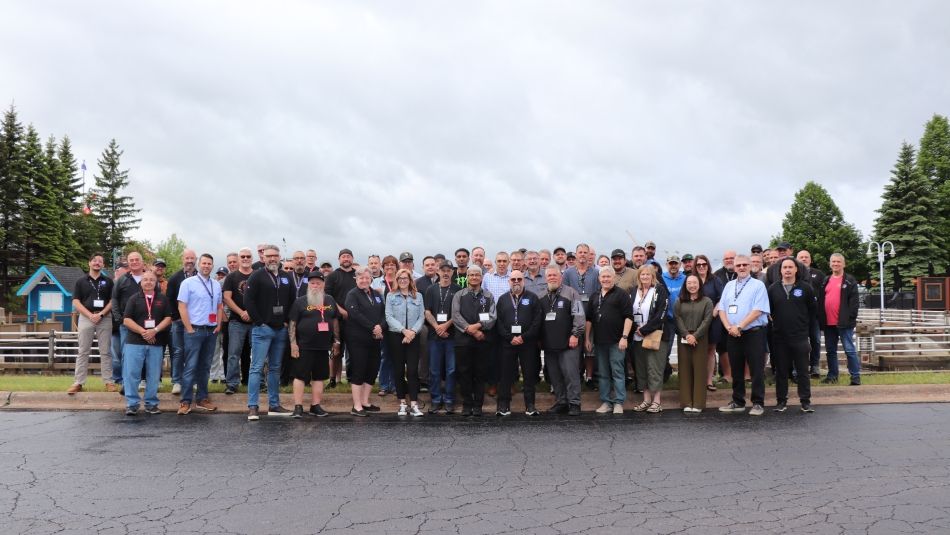
Protecting Canadian manufacturing jobs, strengthening apprenticeships and addressing workplace harassment were key themes at the Unifor National Skilled Trades Council. The approximately100 delegates and staff from across the country gathered June 12–14 in Sault Ste. Marie, Ont., to share strategies, build solidarity and advance priorities for Skilled Trades workers across sectors.
Unifor National Skilled Trades Council Chairperson Ken Anderson emphasized the need for Skilled Trades members to remain vigilant in defending jobs and work ownership amid ongoing economic uncertainty and contracting out.
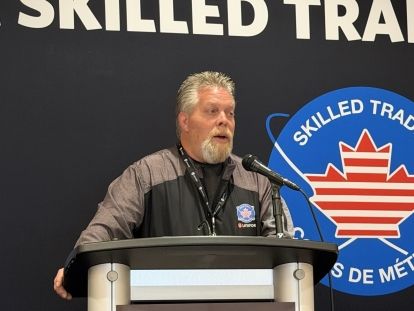
“The thing that will save the Skilled Trades is strong work ownership language,” said Anderson. “We go to work every day and fight for our jobs. We need to make sure governments and employers are investing in Canadian workers and creating opportunities for the next generation.”
Anderson updated delegates on new federal apprenticeship funding measures, including support intended to help apprentices while attending in-school training. While welcoming investments in the trades, he stressed the need for employers to hire more apprentices and raised concerns about proposals to accelerate training without compromising standards.
“We need to grow from within,” Anderson said. “We have to make sure that when governments are putting procurement out, they are tying jobs to those contracts.”
The Council also heard from Unifor National Skilled Trades Council Recording Secretary Jason Watson and Unifor Director of Membership Mobilization and Political Action Josh Coles on the union’s Protect Canadian Jobs campaign and ongoing efforts to defend Canadian manufacturing.
Watson outlined grassroots efforts to support the national campaign, citing the idling of the Stellantis Brampton Assembly Plant as an example of the broader threat to Canada’s manufacturing sector.
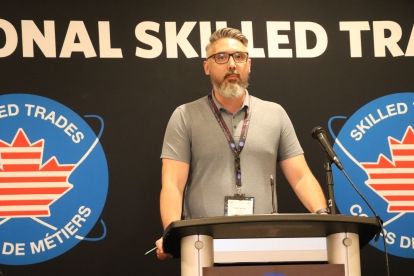
“The fight for Brampton Assembly is not just an auto issue,” said Watson. “It’s a Skilled Trades issue, a manufacturing issue and a community issue. Every manufacturing job supports many others throughout our economy, and when those jobs disappear, entire communities pay the price.”
Watson highlighted growing support from labour councils, community organizations and elected officials across Ontario and called on delegates to help expand the campaign across the country.
“We’re building a broad coalition to defend Canadian manufacturing and protect the jobs and communities that depend on it,” he said. “If companies want to sell here, they must build here.”
Coles urged delegates to remain politically engaged and emphasized the role workers have played in defending apprenticeship programs and Skilled Trades standards.
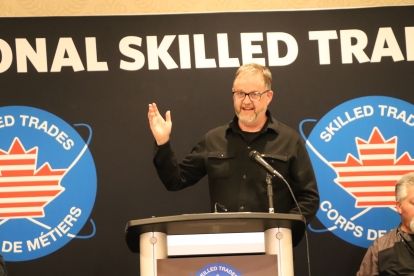
“Take this message beyond this room. Meet your MPs,” said Coles. “It’s all about relationships and pressure. The only way we are going to win is to keep the pressure on.”
Coles also pointed to ongoing concerns around contracting out in sectors such as energy and public services, arguing that political decisions continue to shape the future of Skilled Trades work.
“We have to make contracting out and work ownership political issues,” he said. “The public is with us, but we need to have those conversations and help people understand what’s at stake for workers and communities.”
The Council also recognized community efforts to introduce young people to the Skilled Trades through the presentation of the Bob Chernecki Charity of Choice Award.
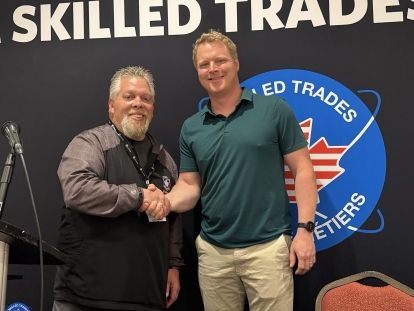
This year’s recipient was the Algoma District School Board Elementary Trades Program, which engages students in Grades 5 through 8 in hands-on Skilled Trades projects across 30 schools from Hornepayne to Elliot Lake.
Elementary Trades Pathways Teacher Jonathan Widgett spoke to delegates about the program, which has involved approximately 1,500 students in creating legacy projects for their schools and communities. The program received an $8,000 donation from the National Skilled Trades Council, with an additional $3,000 pledged by regional Skilled Trades Councils and local unions.
Delegates also received an update from Unifor Women’s Director Tracey Ramsey on a partnership between Unifor and the Centre for Research & Education on Violence Against Women & Children (CREVAWC) aimed at examining sexual harassment in the Skilled Trades.
“The question isn’t whether sexual harassment exists,” Ramsey said. “The question is whether we are willing to understand it, confront it and prevent it.”
She emphasized that the study is not suggesting harassment is more prevalent in the Skilled Trades than in other sectors. Rather, the National Survey on Sexual Harassment and Violence at Work received too few responses from Skilled Trades workers to capture what is happening, leaving a significant gap in the data.
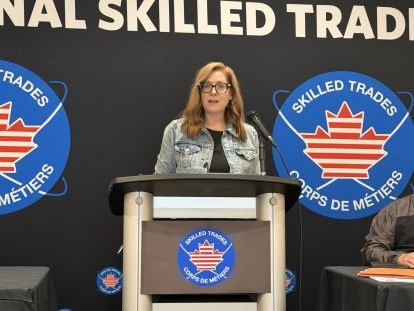
Ramsey encouraged delegates to participate in the anonymous survey, which seeks to better understand workplace experiences and identify gaps in supports, training and resources.
“We can’t fix problems we do not understand,” she said. “This survey exists because Skilled Trades workers’ voices were missing from previous research. If we want to attract and retain the next generation of Skilled Trades workers, we have to ensure workplaces are respectful, inclusive and safe.”
Take the CREVAWC survey here.
The next meeting of the Unifor National Skilled Trades Council will take place Nov. 20-22, 2026, at Caesars Windsor Hotel and Casino.