
Share
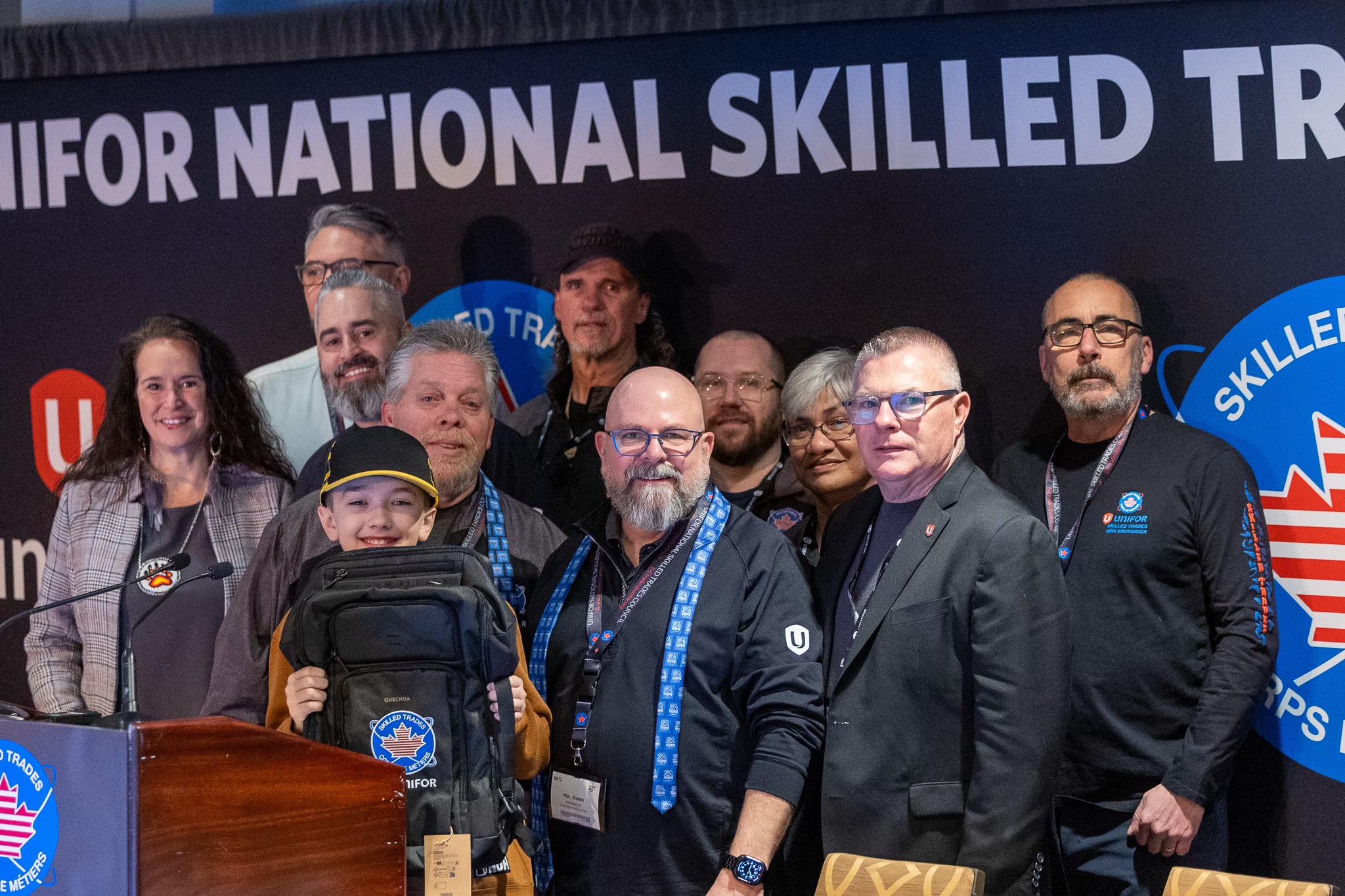
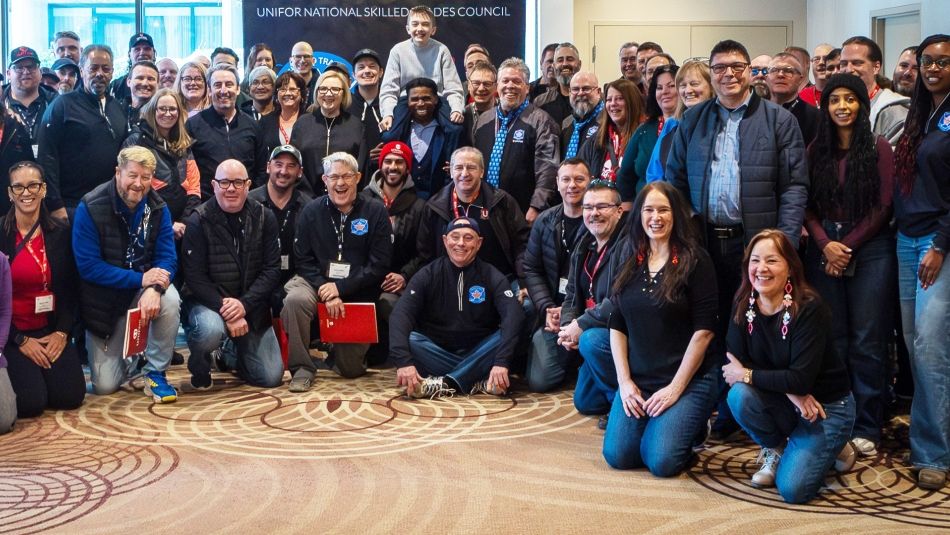
Skilled Trades members from across the country attended the three-day Unifor National Skilled Trades Collective Bargaining & New Technology Conference in Toronto to address the pressures and possibilities facing Skilled Trades in Canada.
Ken Anderson, Chairperson of the National Skilled Trades Council, emphasized the importance of members coming together to adopt a comprehensive bargaining strategy that will serve the union’s approximately 50,000 Skilled Trades members for years to come. “This conference is about setting our key priorities for the bargaining table to improve standards for all Skilled Trades in our workplaces across the country. It’s also an important opportunity to look at how rapidly changing technology will affect us and ensure we have a plan to protect, advocate for and promote the Skilled Trades now and in the future.”
Anderson also underscored that protecting bargaining unit work and pushing back against contracting out must remain non-negotiable priorities.
“Employers need to be reminded now more than ever that although they own the facilities, we own the work. We will no longer tolerate their excuses on contracting out construction before fully utilizing our Trades including our Apprentices.”
More than 230 attended the Conference from February 10–12. Delegates were welcomed by Anderson and John Breslin, Unifor National Skilled Trades Director, who highlighted the strength of unity and collaboration across Canada’s Skilled Trades.

National union leadership participated, including National President Lana Payne, National Secretary-Treasurer Len Poirier, Western Regional Director Gavin McGarrigle, Ontario Regional Director Samia Hashi and Atlantic Regional Director Jennifer Murray.
“I can’t promise you the year ahead will not get harder because I believe it will,” Payne told delegates. “What I can promise you is this union is going to fight like hell to get our industries stabilized and secure a future with good union jobs from coast to coast.
“This union was built from adversity. From struggle. We are not going to stop fighting for the kind of economy we know is possible,” Payne added.
Poirier underscored the broader impact of Skilled Trades members’ collective bargaining achievements. “You demand more of employers. You bargain leading wages and help set the standard for Skilled Trades workers in Canada, in unionized and non-unionized workplaces alike.”

Delegates also heard from Flavio Volpe, President of the Automotive Parts Manufacturing Association, who spoke about the resilience of workers amid the U.S. trade war. “We are in a real fight that is all-encompassing. At the core of Canada’s auto sector are the people who do this work.”
Beyond the Conference’s focus on bargaining priorities, delegates discussed a wide range of issues related to apprenticeships and workforce development. Guest speakers provided extensive updates and reported on the progress and persistent challenges affecting recruitment. While access to apprenticeship programs has improved, instructor shortages persist and challenges remain in converting interest in the Skilled Trades into real training and careers.

Shelley Gray of SkilledTradesBC told delegates of recent changes to the trade designation process in British Columbia designed to expand compulsory trades and reinforce industry standards.
Emily Arrowsmith, Director of Research and Programs at the Canadian Apprenticeship Forum addressed common barriers apprentices face and strategies to improve completion rates.
Candice White, CEO of Skilled Trades Ontario, pointed to record numbers of apprentices in the province, including the highest number of women entering the trades, while emphasizing the need to turn increased demand into concrete training and employment opportunities.

Engaging young people earlier remains essential. Shaun Thorson of Skills Canada described how competitions and experiential learning programs are connecting students directly with employers and pathways to the Skilled Trades.
Ontario’s efforts to simplify the apprenticeship application process were outlined, alongside strategies to address shortages of qualified technical instructors by Dave Cassidy, Skilled Trades Special Advisor to Ontario’s Minister of Labour.
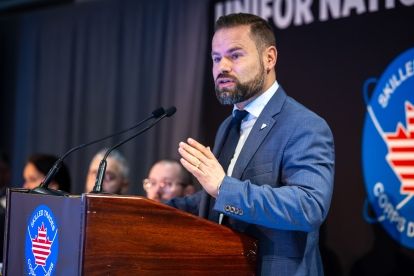
Ontario Minister of Labour David Piccini reinforced the need to expand apprenticeship opportunities in times of technological change.
“We’ve got to see more employers taking on more apprentices. Our training systems must evolve as AI evolves. Technology is changing how we work, but AI and automation cannot replace the Skilled Trades.”
Providing insight into how Artificial Intelligence (AI) systems function, technology visionary David Chalk stressed that human expertise remains indispensable. “AI doesn’t invent new things; it works from existing knowledge. The people who know what to do with AI are you. Technology may evolve, but there will always need to be a human in the loop.”

On the final day, Michael ‘Pinball’ Clemons talked about the ongoing trade war with the U.S., leaving delegates with a message of optimism. “Adversity is guaranteed, but we are bigger than the challenge. You are greater than the challenge.”
Despite the enormous challenges, from the U.S. trade war to the need for greater resources to promote, train, and upskill workers, the future of Skilled Trades in Canada has a great deal of opportunity. With the growing need to build more in Canada, Skilled Trades workers will have a crucial role in making that happen.